Bingah: A Chubby Handwritten Font for Creative Projects
It was a quiet afternoon when I opened my design board, ready to start a new branding project. The client wanted something warm, approachable, and full of personality. I scrolled through my font library, searching for a typeface that could bring that feeling to life. That’s when I found Bingah.
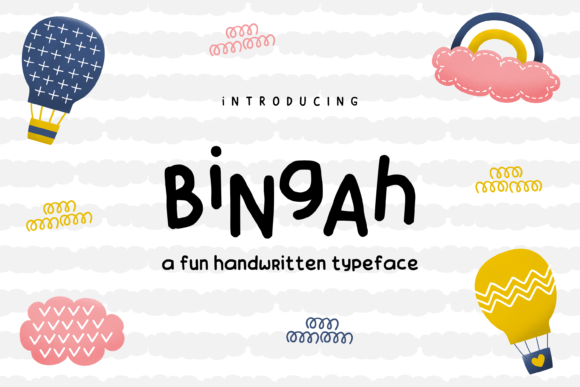
Bingah is a cute and chubby handwritten font that feels like a friendly hug. Its rounded edges and playful curves give it a soft, inviting look. It's perfect for projects that need a touch of warmth and charm. Whether it's for a children's book, a boutique logo, or a social media campaign, Bingah adds a unique personality that stands out.
I started by testing it on a logo draft. The font’s natural flow made it feel alive, as if it had a story to tell. I experimented with different sizes and placements, watching how it interacted with other design elements. It worked well as a headline font, adding a sense of whimsy without overwhelming the composition.
One of the first things I noticed was how Bingah handles spacing. Its generous letter spacing makes it easy to read, even at smaller sizes. This is especially useful for packaging design, where clarity is key. I tried it on a product label, and it looked great—friendly yet professional.
As I moved into the brand identity phase, I considered how Bingah would work in different contexts. On a business card, it added a personal touch, making the contact information feel more human. In a flyer, it helped draw attention to key messages, creating a visual hierarchy that felt natural and engaging.
I also tested it on a website header. The font’s boldness made it stand out, but its readability ensured it didn’t distract from the content. It paired well with a clean sans serif font, creating a balance between playfulness and professionalism. This combination worked especially well for a creative studio looking to showcase their work in a fresh, modern way.
When working with clients, I always recommend testing a font before committing to it. Bingah is no exception. I created a few mockups, showing how it would look in different applications. This helped the client visualize the final result and gave them confidence in the choice.
One thing to note is that Bingah works best as a display or accent font. It’s not ideal for long blocks of text, but it shines in short-form settings like headlines, logos, and social media graphics. Its charm is best appreciated when used sparingly, allowing it to make a statement without overpowering the design.
Another consideration is font pairing. Bingah pairs beautifully with a classic serif font, creating a contrast that feels both elegant and playful. It also works well with a modern sans serif, offering a nice balance between traditional and contemporary styles. These pairings can help create a cohesive visual identity while keeping the design dynamic and interesting.
I also checked the font’s features, including alternates, ligatures, and multilingual support. Bingah offers a range of stylistic options that allow for customization, making it versatile for different projects. The file formats are standard, and the commercial licensing is clear, which is important for any designer working on client projects.
For a small café or a handmade shop, Bingah could be the perfect touch. Imagine a shop sign with the name of the café written in Bingah—it would immediately convey a sense of warmth and creativity. On a menu or a packaging sticker, it adds a personal, handcrafted feel that resonates with customers.
In editorial design, Bingah can add a unique flair to headings or captions. It’s a great choice for a blog post title or a feature section, bringing a sense of fun and personality to the content. When used thoughtfully, it can elevate the overall design without being distracting.
As I wrapped up the project, I reflected on how Bingah contributed to the brand’s identity. It wasn’t just a font—it was a part of the story. It helped communicate the brand’s values, its personality, and its connection to its audience. That’s the power of a good typeface.
Whether you're designing for a local restaurant, a skincare brand, or a creative studio, Bingah offers a fresh, approachable option that can bring your vision to life. It’s a font that doesn’t just look good—it feels right.
For designers looking to add a touch of charm to their work, Bingah is a reliable choice. It’s a font that understands the importance of personality in design, and it delivers it with style.